Clyatt v. United States
SPLIT Law upheld and peonage defined; conviction reversed on a proof gap. S1 ↗
Labor for debt, then sentences without limit.
Clyatt, Bailey and Reynolds struck debt bondage one mechanism at a time, without naming the system it served. In 1986 Congress built the 100-to-1 crack ratio into mandatory minimums with no hearings, and in 1991 Harmelin removed the main constitutional limit on mandatory sentences. In 2010 Congress cut the ratio to about 18 to 1, and in 2018 it reached the people already sentenced, on petition.
The 1986 and 2010 Acts have their own statute files. The 1994 Crime Bill and the exception clause don't have files yet. S6 ↗A count of results, not a score. Each row names what was at stake.
The Thirteenth Amendment's ban on slavery and involuntary servitude, and the Eighth Amendment's ban on cruel and unusual punishment.
Civic³ rates the institutions that used the power, not the people on the other end of it.
Band 82–90 · ±4 uncertainty. From the earlier version; not recalculated yet.
EARLIER PROFILE · NOT A CCS SCOREBattle power for each side, taken from each case's own file. A case that hasn't been reviewed yet shows UNMEASURED.
Gravity 75 · current force 65 · effect +29.2 · from case:clyatt-v-united-states ↗
Gravity 76 · current force 70 · effect +52.8 · from case:bailey-v-alabama ↗
Gravity 77 · current force 70 · effect +53.7 · from case:united-states-v-reynolds ↗
Gravity 83 · current force 60 · effect −49.9 · from case:anti-drug-abuse-act-1986 ↗
Gravity 80 · current force 80 · effect −63.6 · from case:harmelin-v-michigan ↗
Gravity 79 · current force 85 · effect +67.1 · from case:fair-sentencing-act-2010 ↗
SPLIT Law upheld and peonage defined; conviction reversed on a proof gap. S1 ↗
CITIZEN Struck 7–2 as peonage, on colorblind grounds. S2 ↗
CITIZEN Struck: compulsion by fear of imprisonment is peonage. S3 ↗
INSTITUTION Enacted with mandatory minimums; no hearings behind the ratio. S6 ↗
INSTITUTION Upheld 5–4: severe, mandatory penalties are not unusual. S4 ↗
CITIZEN Cut to about 18 to 1 (2010); made retroactive on petition (2018). S7 ↗
Read the legal record, see how this page uses it, and challenge any specific claim.
Peonage defined; conviction reversed.
The fraud-presumption trap struck.
The criminal-surety trap struck.
Mandatory life without parole upheld.
The 5–4 lineup; Michigan's 1998 parole change.
The 100-to-1 ratio, passed with no hearings; 84.7% of federal crack offenders in FY2000 were Black.
The 2010 thresholds (28g, 280g; about 18 to 1) and First Step Act §404 (2018).
No matching source.
| Question | Forced labor for debt, and the constitutional limits on punishment. |
|---|---|
| Included | Four court cases and two statutes, each with its own file. |
| Not included | The 1994 Crime Bill and the Thirteenth Amendment's exception clause (future records); every peonage and sentencing case. |
Your challenge saves on this device. Export it to send it in for review. Nothing is posted publicly.
Clyatt defined peonage; Bailey struck the fraud trap; Reynolds struck the surety trap; Harmelin cleared mandatory sentencing.
Law upheld and peonage defined; conviction reversed on a proof gap. S1 ↗
Struck 7–2 as peonage, on colorblind grounds. S2 ↗
Struck: compulsion by fear of imprisonment is peonage. S3 ↗
Enacted with mandatory minimums; no hearings behind the ratio. S6 ↗
Upheld 5–4: severe, mandatory penalties are not unusual. S4 ↗
Cut to about 18 to 1 (2010); made retroactive on petition (2018). S7 ↗
Expand any power to see its origin, holder, effect, conditions, reach and change.
Civil asset forfeiture is a thematic pairing: both concern what the state may extract after an accusation. The link is thematic.
The Civic Ops Map's own outline, with this campaign's encounters. Pin colors show who took each encounter.
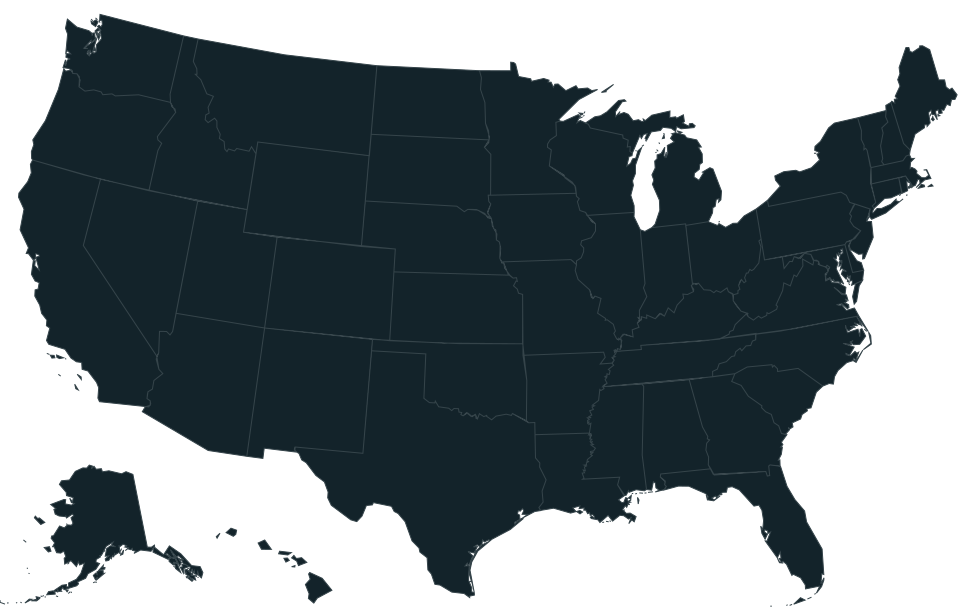
Approximate origins · not a compliance heatmap
Law upheld and peonage defined; conviction reversed on a proof gap.
Struck 7–2 as peonage, on colorblind grounds.
Struck: compulsion by fear of imprisonment is peonage.
Enacted with mandatory minimums; no hearings behind the ratio.
Upheld 5–4: severe, mandatory penalties are not unusual.
Cut to about 18 to 1 (2010); made retroactive on petition (2018).
| Front | Power question | Record to inspect |
|---|---|---|
| Federal litigation | Is a sentencing challenge pending? | The petition, docket and ruling. |
| State legislation | Has your state changed mandatory minimums or fines and fees? | The statute, the vote and its effective date. |
| Local justice | Who sets bail and charges in your county? | The prosecutor's and judges' seats and their next election. |
| Public accountability | Does your county jail or prison use inmate labor? | The contract or policy and who approved it. |
Who holds the power → who used it → what allowed it → who oversees it → which elected seat answers for it. A local event goes on the map only with evidence of what happened, the authority used and the institution responsible.
Who won each encounter and what changed hands. “Taken by” names the side that came out ahead. It doesn't measure harm or who was right.
| Encounter | What was at stake | Taken by | What changed |
|---|---|---|---|
| 1905 · Clyatt v. United States | Whether Congress could punish peonage, and whether this conviction stood | SPLIT | Law upheld and peonage defined; conviction reversed on a proof gap. S1 ↗ |
| 1911 · Bailey v. Alabama | Whether Alabama could jail a worker for leaving after an advance | CITIZEN | Struck 7–2 as peonage, on colorblind grounds. S2 ↗ |
| 1914 · United States v. Reynolds | Whether fines paid by sureties could be worked off under threat of prosecution | CITIZEN | Struck: compulsion by fear of imprisonment is peonage. S3 ↗ |
| 1986 · Anti-Drug Abuse Act of 1986 | Whether crack should carry 100 times the penalty of powder by quantity | INSTITUTION | Enacted with mandatory minimums; no hearings behind the ratio. S6 ↗ |
| 1991 · Harmelin v. Michigan | Whether mandatory life without parole for drug possession is cruel and unusual | INSTITUTION | Upheld 5–4: severe, mandatory penalties are not unusual. S4 ↗ |
| 2010 · Fair Sentencing Act + First Step §404 | Whether to cut the ratio and reach people already sentenced | CITIZEN | Cut to about 18 to 1 (2010); made retroactive on petition (2018). S7 ↗ |
Citizen 3 · Institution 2 · Split 1 · a count of results, not a score
The radar and power level are an editorial estimate from the earlier version. Encounter bars come only from reviewed case files. There's no formula for a campaign-wide score yet, so this page doesn't show one.
| Field from the old file | Value | Treatment |
|---|---|---|
| Campaign power level | 86 /99 | Earlier estimate, not recalibrated; no bar. |
| Power band | 82–90 · ±4 | Original uncertainty range. |
| Scale | V · Civilizational | Historical classification, not a current score. |
| Axis | Legacy value | Scope |
|---|---|---|
| Reach | 99 | Original campaign input |
| Severity | 100 | Original campaign input |
| Precedent force | 94 | Original campaign input |
| Institutional resistance | 92 | Original campaign input |
| Profile divergence | 100 | Original campaign input |
| Asymmetry | 55 | Original campaign input |
| Evidentiary strength | 88 | Original campaign input |
| Contestation | 75 | Original campaign input |
| Fog density | 31 | Original campaign input |
Each encounter links to its case file. Battle power is calculated from that file once it's reviewed. The campaign page never enters those numbers itself.
“Taken by” covers one encounter. Counting wins doesn't measure harm or who is ahead today.
Original campaign: eight nodes from the Exception Clause (1865) to the Fair Sentencing and First Step Acts, power level 86/99 and a nine-axis profile.
Seven standard tabs, power by encounter read from each case's own record, the battlefield and battle loot. The four court cases are encounters; the root clause and the three statutes are named in the verdict and wait for their own record types.
'Black federal incarceration roughly quintupled', the $8.7–12.5B Crime Bill figure and 'a star died of a powder overdose' are not carried until the statutes get sourced records. Reynolds's 'operation-and-effect test' is not carried.
The Anti-Drug Abuse Act of 1986 and the Fair Sentencing Act (2010) with First Step §404 (2018) are built as statute files and join as encounters.
Challenge a specific fact, result or label. Evidence counts; agreeing or disagreeing doesn't.